The Newbold-White House
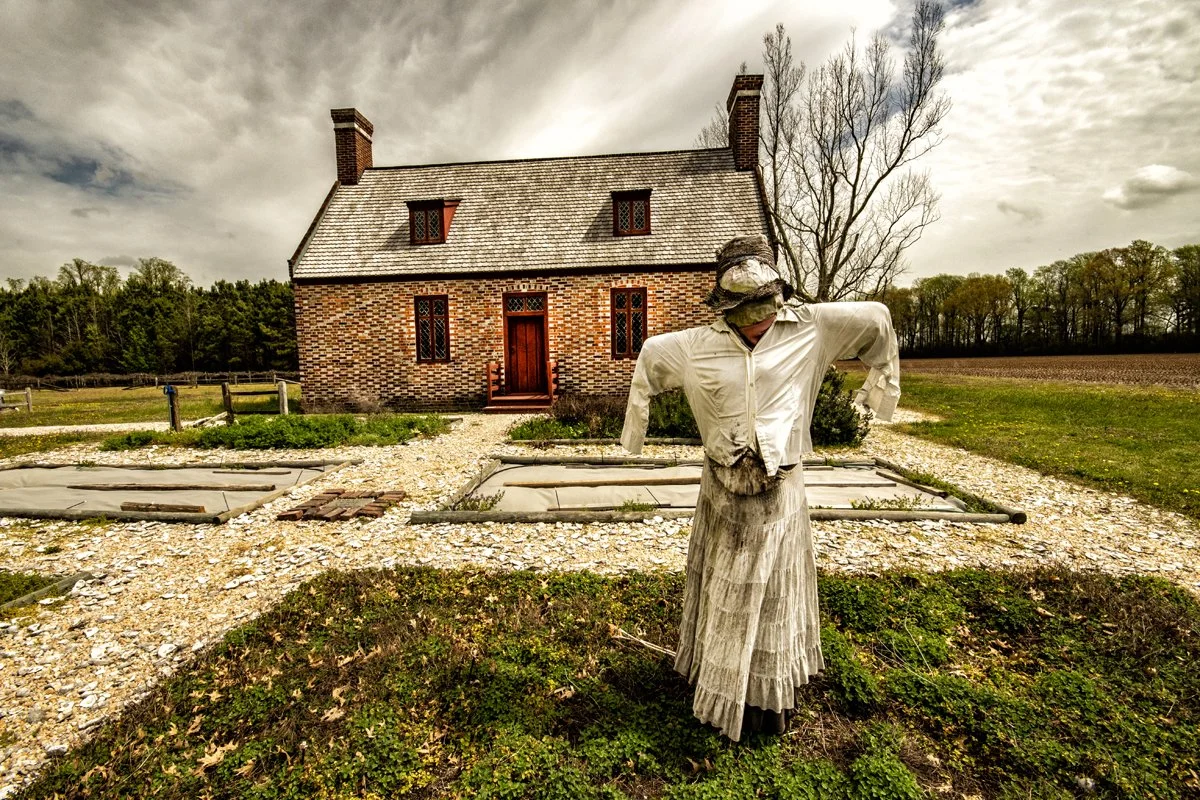
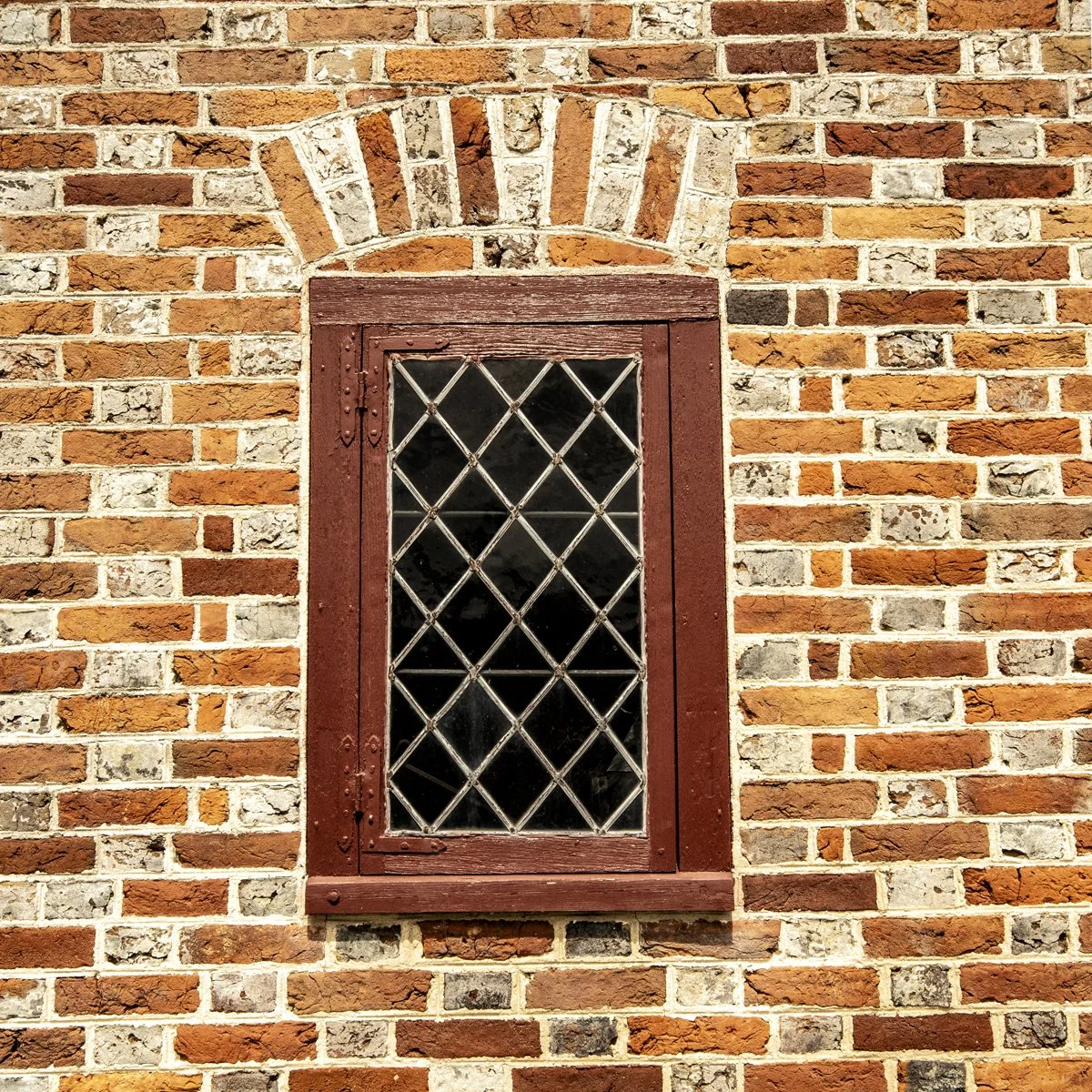
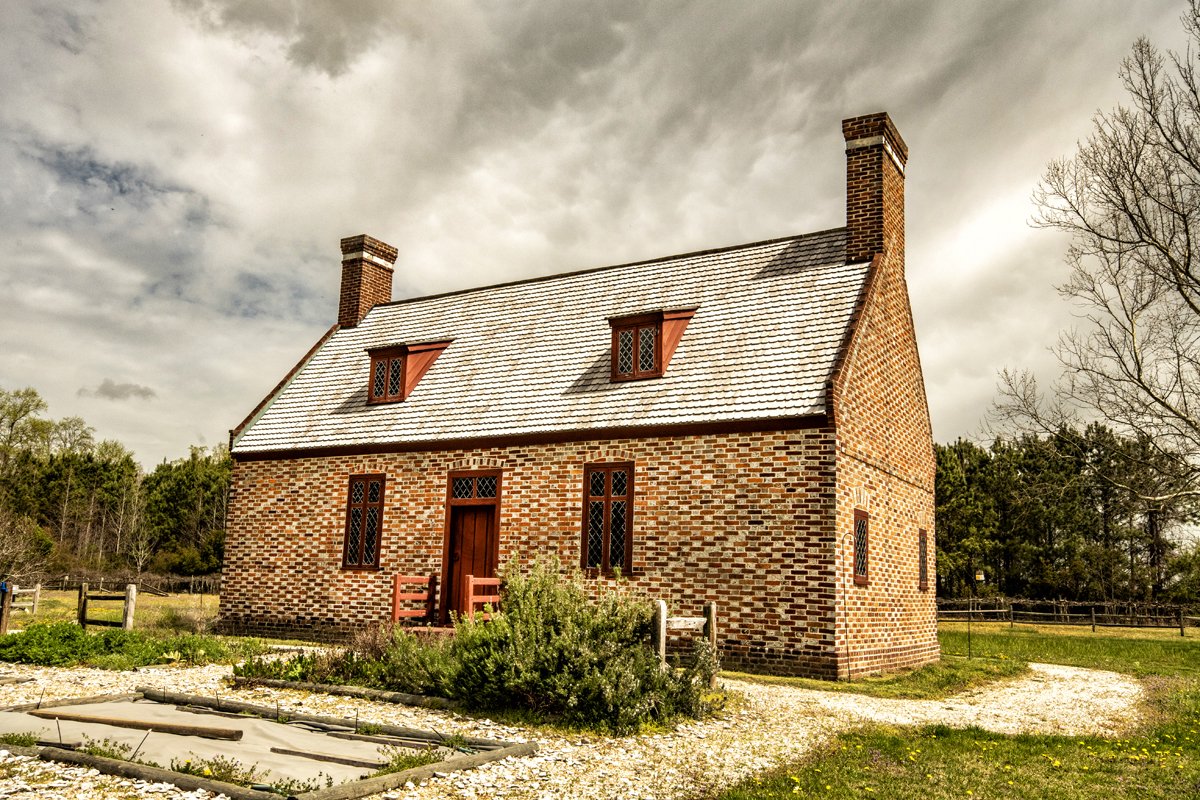
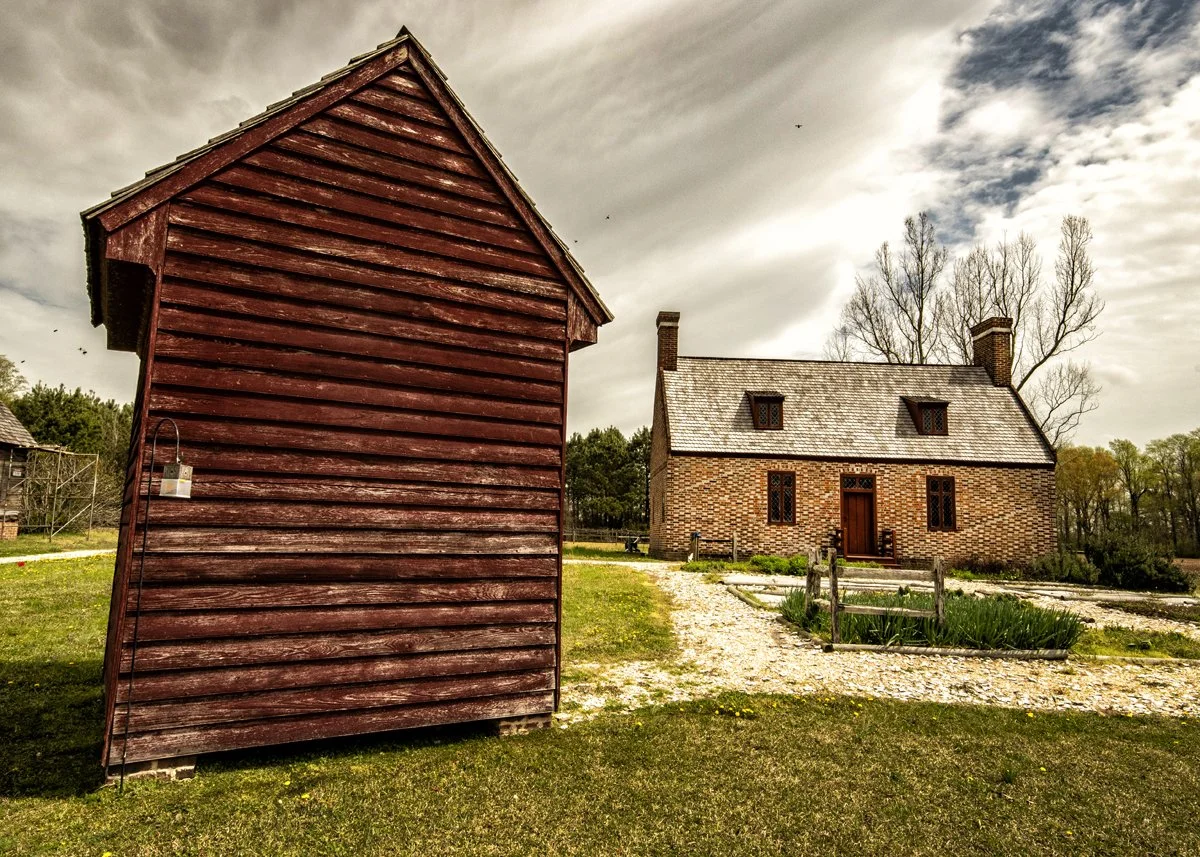
This is the Newbold-White House located on the Perquimans River and is one of the earliest examples of colonial architecture, and is especially notable for being a brick house.
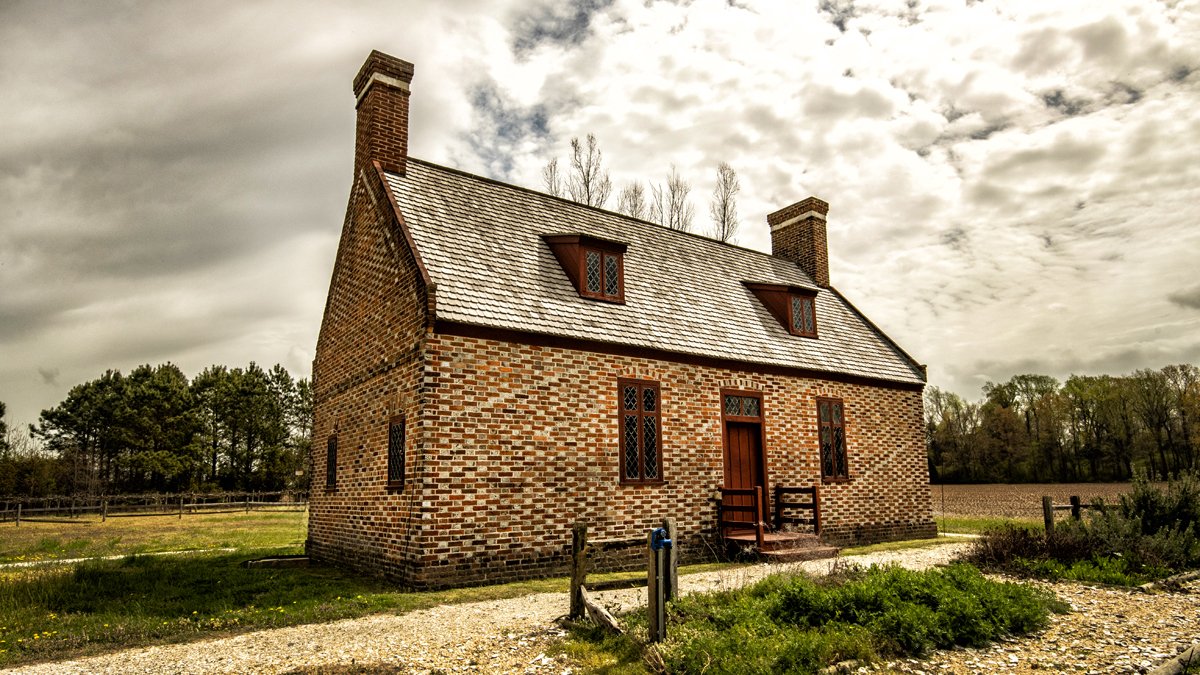
The original home (dating back to 1730) was built by a Quaker family, Abraham and Judith Sanders who purchased the property in 1726. Sanders had a plantation on the Perquimans River. He farmed corn, wheat, flax, indigo, tobacco, rice, and wood products.
He also farmed cotton. He had a plantation which raises an interesting question – did he have slaves? Quakers, also known as the Religious Society of Friends, were abolitionists and one of the first groups of people to condemn slavery.
The earliest condemnation of slavery by the Quakers, was the Germantown Petition of 1688 which argued that slavery was immoral and inconsistent with Christian beliefs, based upon the Biblical premise of "Do unto others as you would have them do unto you" and stated that every human being, regardless of the color of their skin, ethnicity, or religious beliefs has rights that cannot and should not be violated.