April 15th
Today, April 15th, is an interesting day for “events.” Yes, it’s Tax Day but did you know that on April 15th Ray Kroc opened his first McDonald’s franchise where hamburgers were 15¢? Today in 1912 the unsinkable ship, the Titanic, sank. And in 1865, at 7:22 a.m. President Abraham Lincoln would die from being shot by John Wilkes Booth.
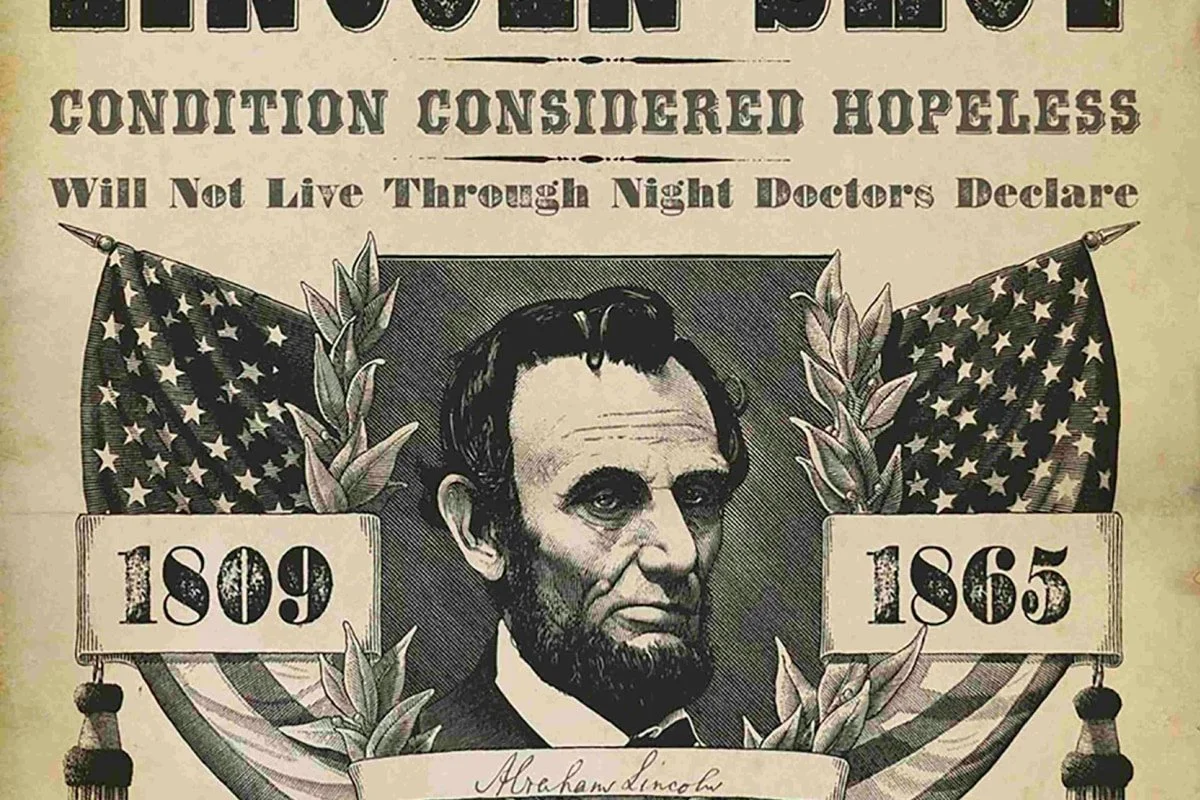
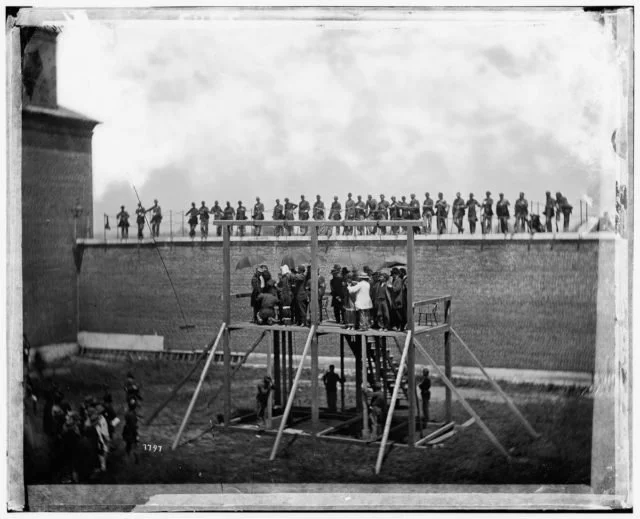
When Lincoln was assassinated the War Department issued, what was then an unbelievable amount of money, a $100,000 reward for Booth. The Civil War was a turning point for photographers in that photographs were being used in print publications, replacing the traditional method of using woodcuts as illustration. In the search for Lincoln’s assassins’ photographs were used extensively to identify the perpetrators and to cover the executions.
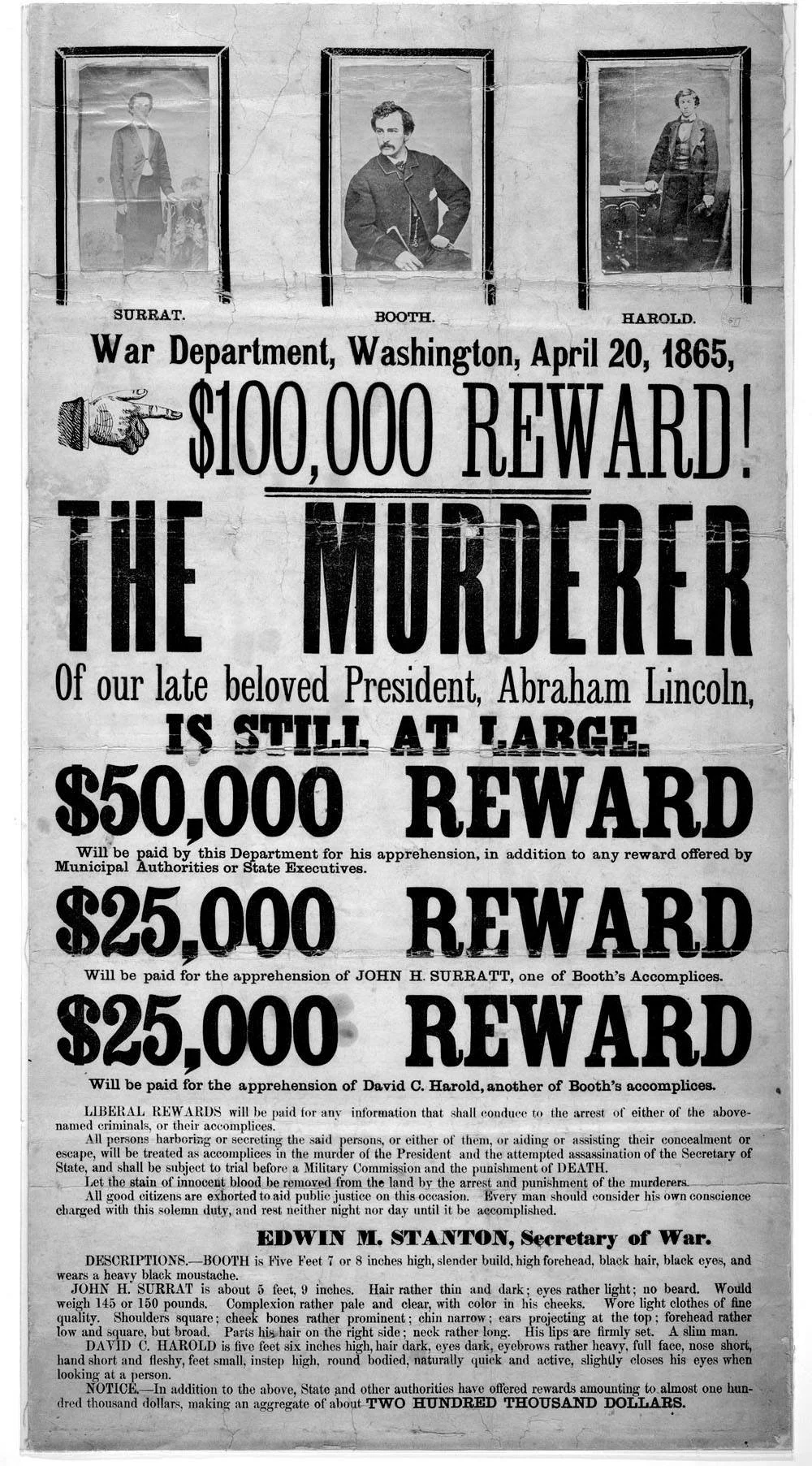
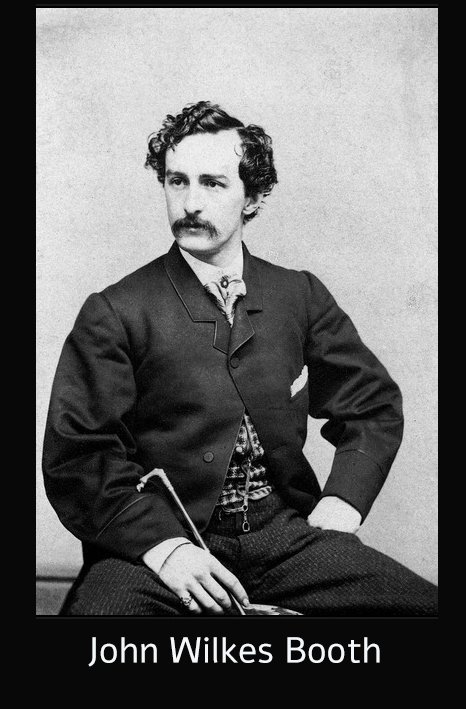
John Wilkes Booth was shot and killed by Union Soldiers on April 26, 1865 while hiding out at the Garrett Farm in Port Royal, Virginia.
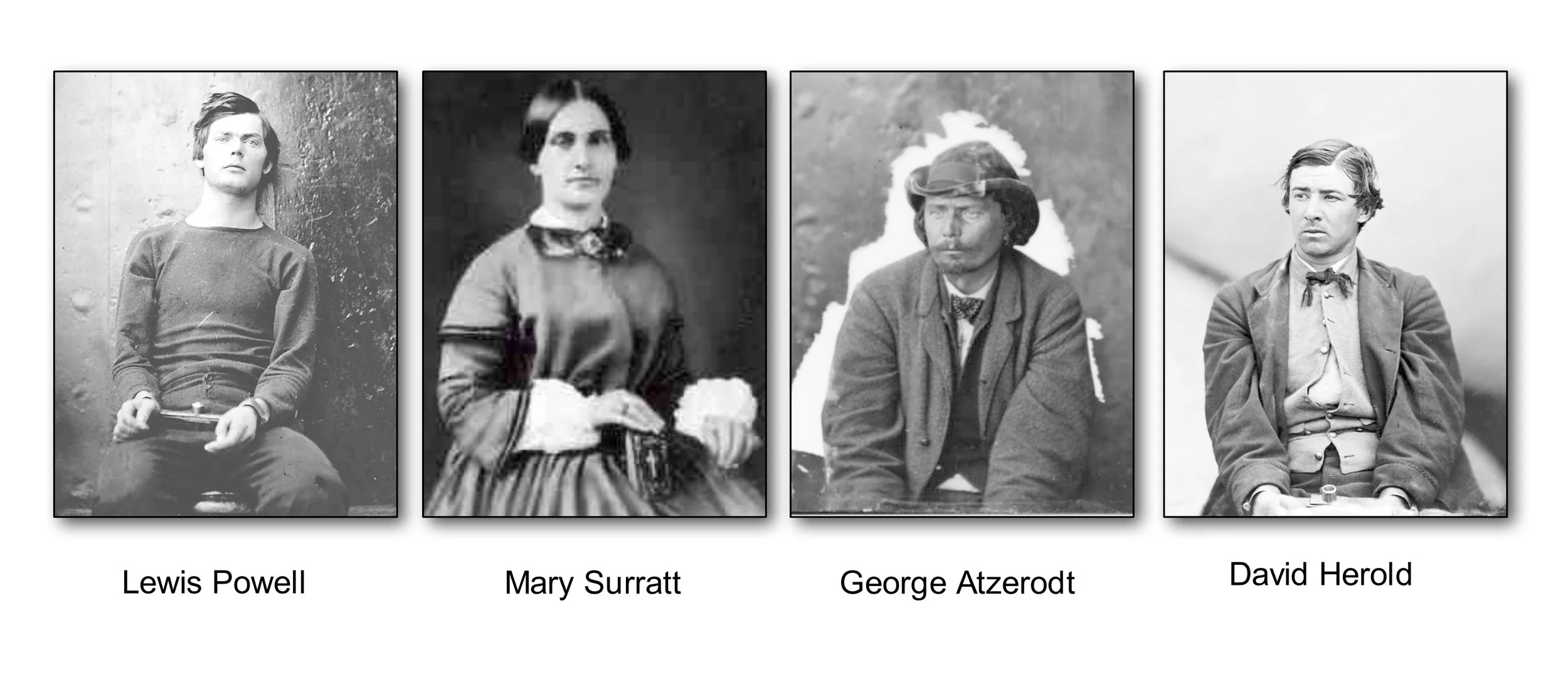
The trial lasted seven weeks and Mary Surratt, Lewis Powell, David Herold, and George Atzerodt were found guilty and sentenced to death by hanging in the Old Arsenal Penitentiary on July 7, 1865. Mary Surratt was the first woman in American history to be executed by the United States government.
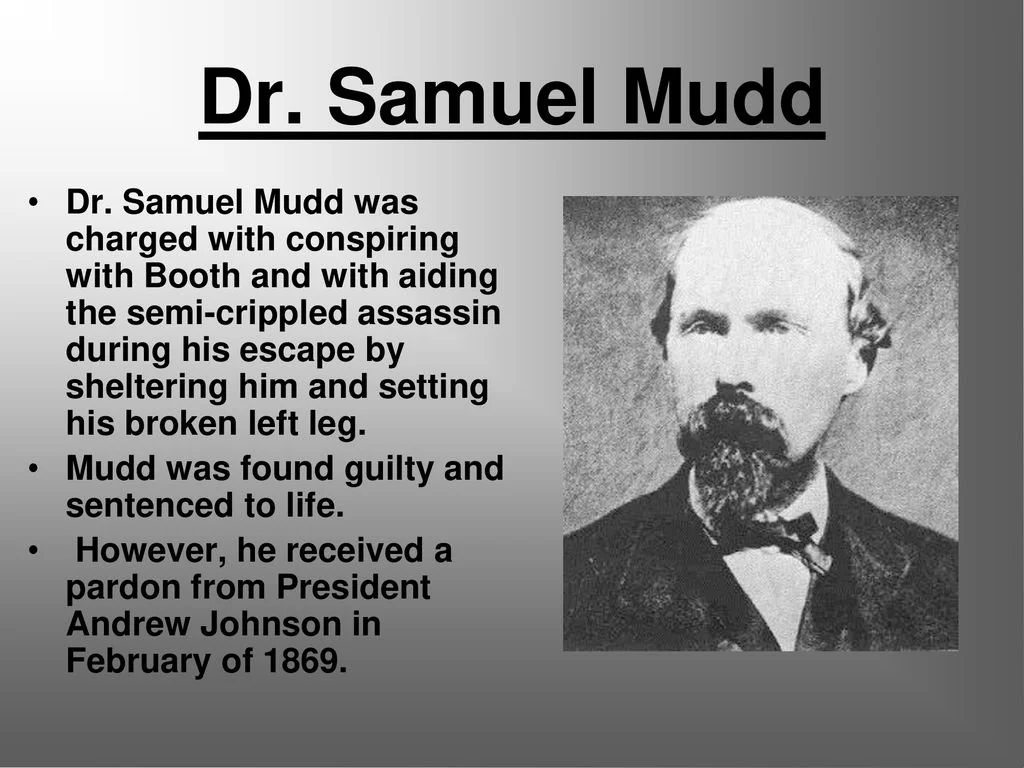
Ever hear the expression, “Your name in mud?” That comes from Dr Samuel Mudd, who tended to Booth’s left leg, broken by his jump from Lincoln’s theater box to the stage. He always maintained that he knew nothing about who Booth was or Lincoln’s assassination.
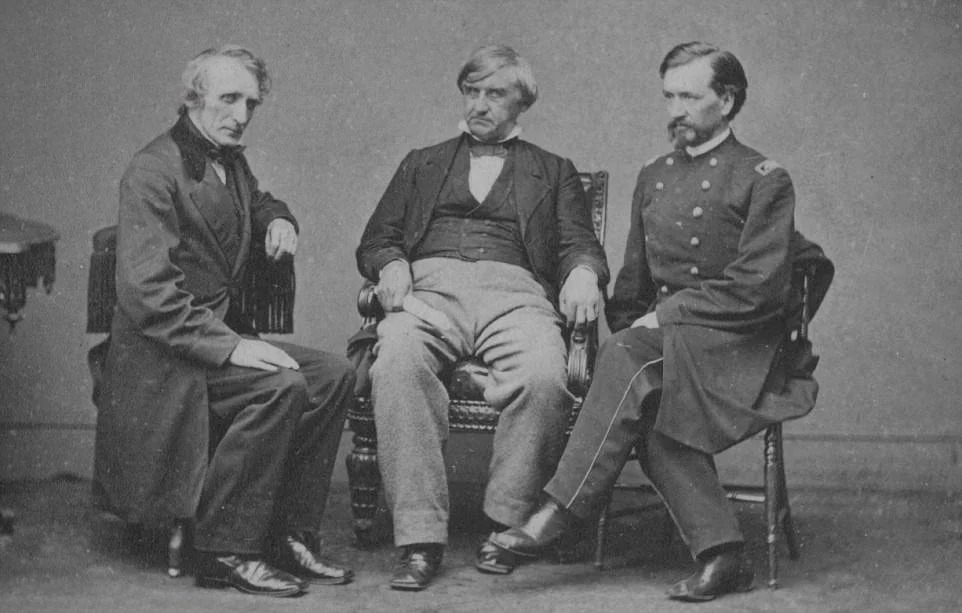
These three men -John Bingham, Judge Joseph Holt, and Brigadier General Henry Burnett, were the prosecutors for Lincoln assassination trial. It is interesting to note that there doesn’t seem to be mention of who was the defense attorney for the prosecuted.
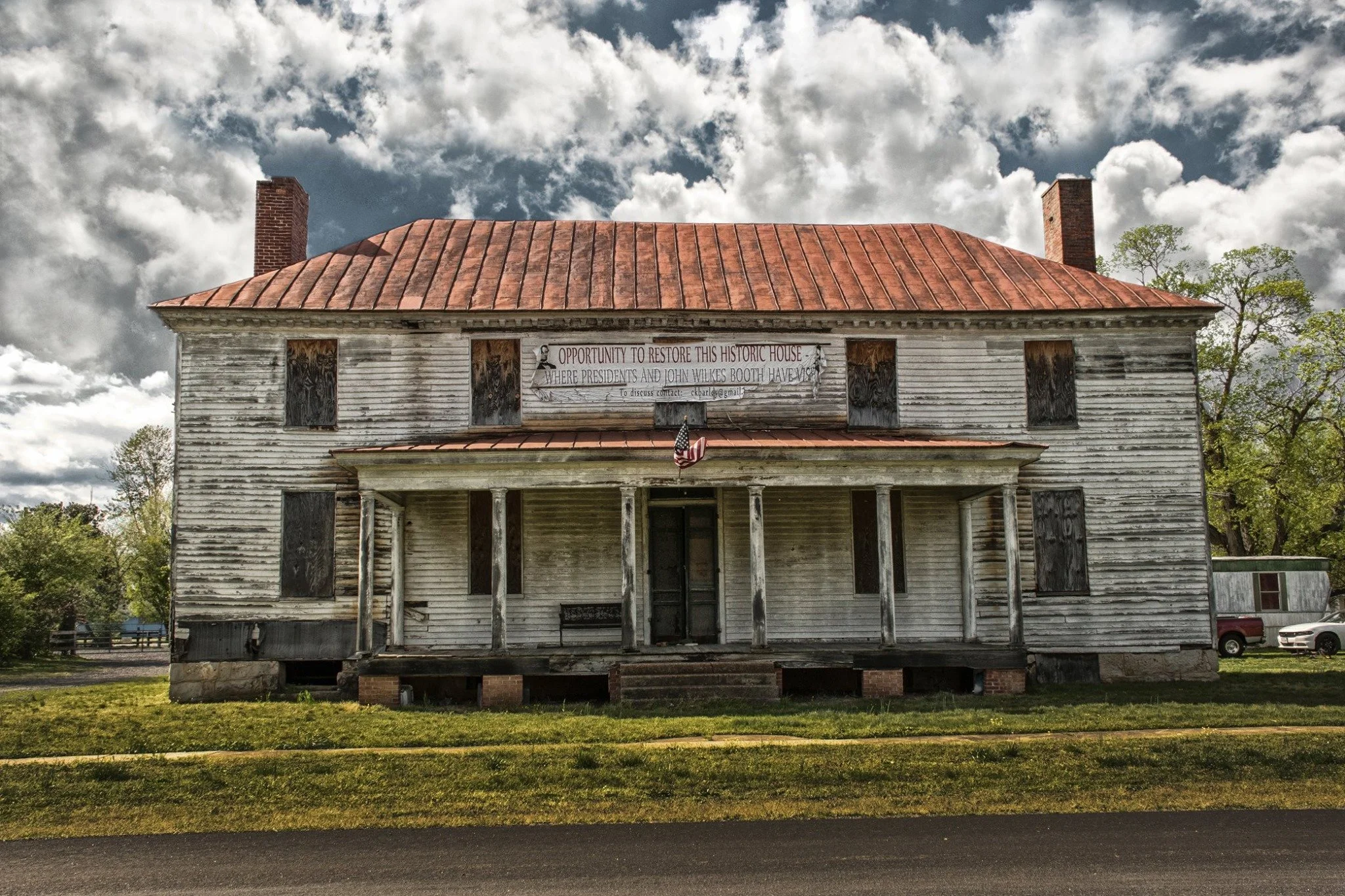
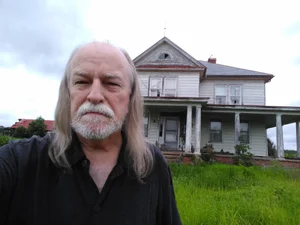
This is the Brockenbrough-Peyton House in Port Royal, where fugitives John Wilkes Booth, David Herold and three former Confederate soldiers arrived about 2:30 pm April 24, 1865, 10 days after Booth shot Lincoln.
“The owner, Randolph Peyton, was not at home when the group arrived. His sister, Sarah Jane Peyton, admitted the men. Booth was described as a wounded Confederate soldier looking for a place to stay. Booth made himself at home in the parlor, but Miss Peyton soon reconsidered and told the group that it would be improper for them to stay when the man of the house was not home. She directed them to the Garrett Farm.”